World Mental Health Day 2026: October 10. Discover the official theme, history, importance, mental health tips, and ways to reduce stigma...
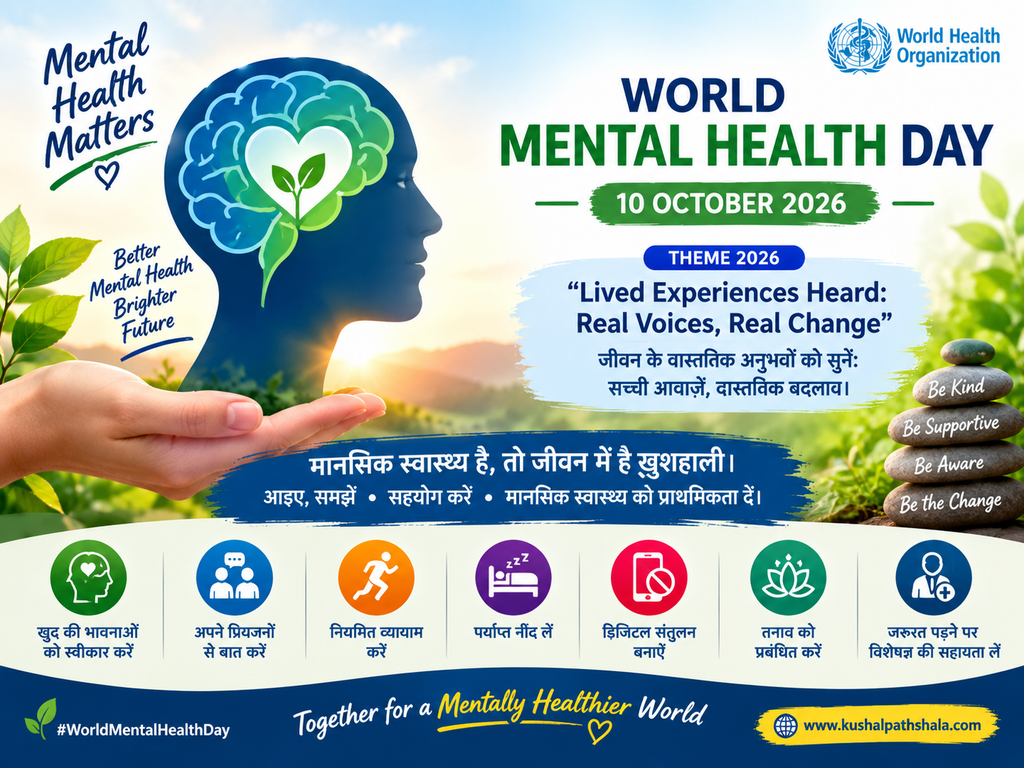
World Mental Health Day 2026: Mental health is just as important as physical health, yet emotional struggles are often hidden behind a smile. Stress, anxiety, loneliness, depression, academic pressure, and workplace challenges can affect people of every age. World Mental Health Day 2026 reminds us that mental well-being deserves attention, understanding, and care.
Observed every year on October 10, this international day encourages people to talk openly about mental health, challenge stigma, and promote access to appropriate mental health services. The World Health Organization (WHO) has announced the 2026 theme as “Lived Experiences Heard: Real Voices, Real Change.” The campaign highlights the importance of involving people who have experienced mental health conditions in decisions about policies, services, and support systems.
World Mental Health Day 2026: Important Details
- Day: World Mental Health Day
- Date: 10 October 2026
- Day of the Week: Saturday
- 2026 Theme: Lived Experiences Heard: Real Voices, Real Change
- Main Objective: To raise awareness, reduce stigma, and improve mental health support.
- Official Campaign Hashtag: #WorldMentalHealthDay
Source: World Health Organization (WHO).
What Is World Mental Health Day?
World Mental Health Day is an annual global awareness initiative dedicated to promoting mental health and encouraging action to improve mental health care. It provides an opportunity for governments, educational institutions, healthcare professionals, employers, families, and communities to discuss mental well-being and identify ways to support people who may be struggling.
Mental health influences how we think, feel, communicate, manage stress, build relationships, and make decisions. Caring for mental health does not mean avoiding every difficulty. It means developing healthy ways to cope with challenges and seeking appropriate help when necessary.
History of World Mental Health Day
World Mental Health Day was first observed in 1992, following an initiative by the World Federation for Mental Health. Over the years, it has developed into a worldwide campaign supported by the WHO and other organizations.
The day provides a platform for discussing mental health challenges, promoting awareness, and encouraging better access to mental health services. Each year, a campaign theme draws attention to a particular issue affecting individuals and communities.
Theme of World Mental Health Day 2026
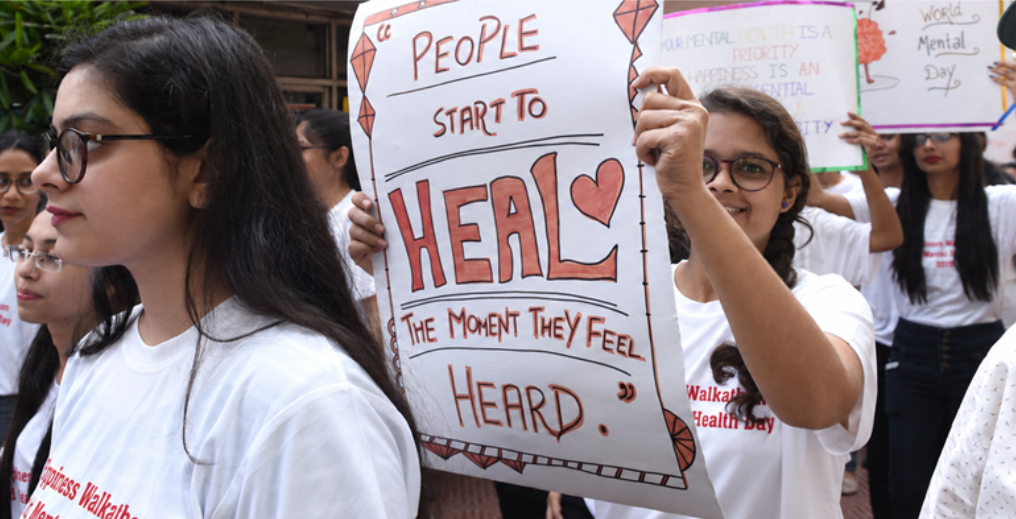
The official theme for World Mental Health Day 2026 is “Lived Experiences Heard: Real Voices, Real Change.”
The theme emphasizes that people who have experienced mental health conditions possess valuable knowledge about the challenges they face, the support they need, and the barriers they encounter while seeking care. Listening to these individuals should go beyond hearing their personal stories. Their experiences should help shape mental health policies, healthcare services, community programmes, and decisions that affect their lives.
The campaign encourages society to:
- Listen to people with empathy and respect.
- Include people with lived experience in decision-making.
- Challenge discrimination and harmful stereotypes.
- Promote person-centred and rights-based mental health care.
- Build supportive communities where everyone can participate with dignity.
The central message is simple: mental health services should be developed with people who use them, not merely for them.
Why Is World Mental Health Day Important?
Mental health affects individuals, families, educational institutions, workplaces, and society as a whole. However, fear of judgment, lack of awareness, financial difficulties, and limited access to professional care may prevent people from seeking support.
World Mental Health Day is important for several reasons.
1. Raising Mental Health Awareness
The day helps people understand that mental health is an essential part of overall well-being. It encourages early recognition of emotional difficulties and promotes informed conversations.
2. Reducing Stigma and Discrimination
People experiencing mental health difficulties deserve the same respect and compassion as people facing physical health problems. Awareness can challenge misconceptions and encourage supportive attitudes.
3. Encouraging People to Seek Help
Talking with a trusted person or consulting a qualified mental health professional can be an important step towards receiving appropriate support.
4. Supporting Students and Young People
Academic pressure, examinations, career uncertainty, family expectations, and online comparison can contribute to stress. Schools and colleges can help by creating safe, inclusive environments where students feel comfortable seeking assistance.
5. Promoting Accessible Mental Health Care
Mental health support should be affordable, respectful, accessible, and responsive to people’s needs, including those living in underserved communities.
Common Signs That Someone May Need Mental Health Support
Mental health difficulties can affect people differently. Some possible warning signs include:
- Persistent sadness, fear, or excessive worry.
- Significant changes in sleep or appetite.
- Loss of interest in previously enjoyable activities.
- Difficulty concentrating or completing daily tasks.
- Withdrawing from friends, family, or social activities.
- Feeling overwhelmed or emotionally exhausted.
These signs do not automatically mean that someone has a mental health disorder. However, if symptoms persist, become severe, or interfere with daily life, professional assessment may help.
How to Maintain Good Mental Health
Mental well-being is influenced by many factors, including relationships, life circumstances, physical health, and access to support. The following habits may help support emotional well-being:
- Maintain a healthy routine: Try to get adequate sleep, eat balanced meals, and remain physically active.
- Stay connected: Talk with trusted friends, family members, teachers, or colleagues.
- Take breaks: Make time for relaxation, hobbies, and activities that bring meaning or enjoyment.
- Manage digital habits: Take breaks from screens and limit online content that increases stress.
- Express your feelings: Sharing concerns with someone who listens without judgment can reduce feelings of isolation.
- Seek professional support: Consult a qualified mental health professional when emotional difficulties persist or become overwhelming.
- Practise self-compassion: Recognize that everyone faces challenges and that asking for help is a positive step.
These practices can support well-being, but they are not substitutes for professional treatment when it is needed.
Role of Schools, Colleges and Families
Educational institutions can promote mental health by encouraging respectful communication, providing access to counselling where possible, addressing bullying, and avoiding unnecessary pressure or humiliation.
Teachers can help students by listening patiently, recognizing signs of distress, and guiding them towards appropriate support. Families can contribute by creating an environment where children and adults feel safe expressing their emotions.
Employers and community organizations also have a role in reducing excessive stress, preventing discrimination, and making mental health resources accessible.
How Can You Observe World Mental Health Day 2026?
You can observe World Mental Health Day by taking meaningful actions:
- Share reliable mental health information on social media.
- Organize awareness programmes, discussions, or workshops.
- Encourage students and colleagues to speak openly about emotional well-being.
- Listen to people with lived experience and respect their privacy.
- Support initiatives that improve access to mental health care.
- Check in with someone who may be feeling isolated.
Even a simple, sincere question—“How are you really feeling?”—can open the door to a supportive conversation.
Conclusion: Every Mind Matters
World Mental Health Day 2026 is a reminder that no one should have to face emotional difficulties alone. The theme, “Lived Experiences Heard: Real Voices, Real Change,” calls on us not only to listen but also to make meaningful changes in the way mental health support is designed and delivered.
Let us replace judgment with understanding, silence with conversation, and stigma with compassion. A healthier society begins when people feel safe enough to speak, are treated with dignity, and can access the support they need.
Remember: You do not have to be okay all the time, and asking for help is a sign of courage—not weakness.
Frequently Asked Questions (FAQs)
1. When is World Mental Health Day 2026?
World Mental Health Day 2026 will be observed on Saturday, 10 October 2026.
2. What is the theme of World Mental Health Day 2026?
The official theme is “Lived Experiences Heard: Real Voices, Real Change.”
3. Who started World Mental Health Day?
The World Federation for Mental Health initiated World Mental Health Day in 1992.
4. Why do we celebrate World Mental Health Day?
It raises awareness of mental health, reduces stigma, encourages people to seek support, and promotes access to appropriate mental health care.
5. How can students observe World Mental Health Day?
Students can participate in awareness activities, attend discussions, share reliable information, support their peers, and seek help when needed.
6. Where can I find reliable mental health information?
Visit the World Health Organization’s mental health resources for information and guidance.
Read More…
- World Mental Health Day 2026: October 10 , Theme, History, Importance and Mental Health Awareness
- BTSC Scientific Assistant Recruitment 2026: 6 Vacancies, Eligibility & Apply Online Now
- BTSC Food Safety Officer Recruitment 2026: 105 Vacancies, Eligibility, Apply Online, Exam Pattern
- Bihar Librarian Vacancy 2026: 5,800 Posts, Eligibility, Apply Online
- YUVA AI for ALL: Free Government AI Course in India – Eligibility, Certificate and Registration